IAP-Immunizeindia is the world's largest vaccination reminder service, and is available free of cost to parents anywhere in India. It is a national non-profit initiative under the aegis of Indian Academy of Pediatrics. The initiative is supported by Vodafone, our national telecom partner.
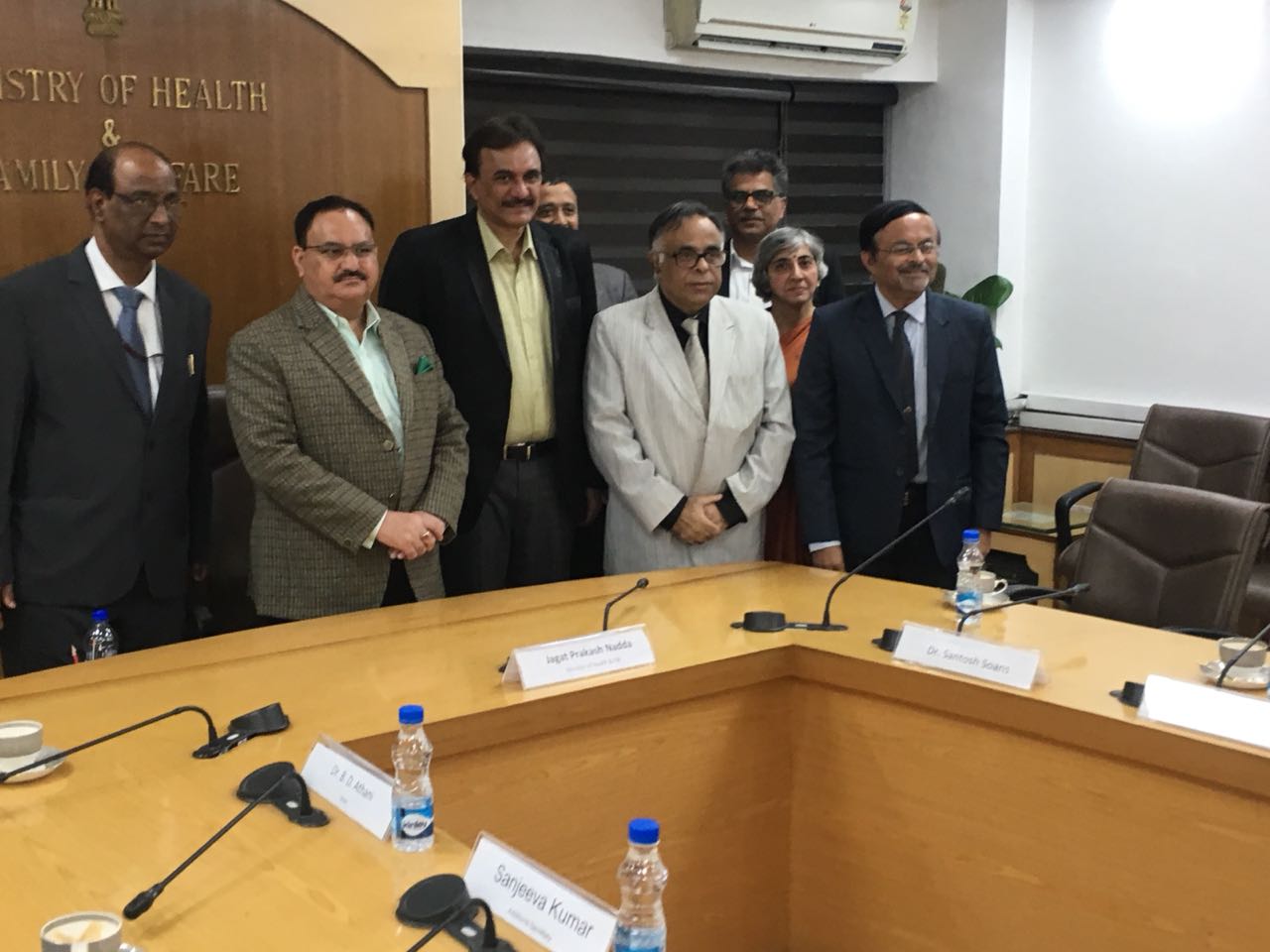
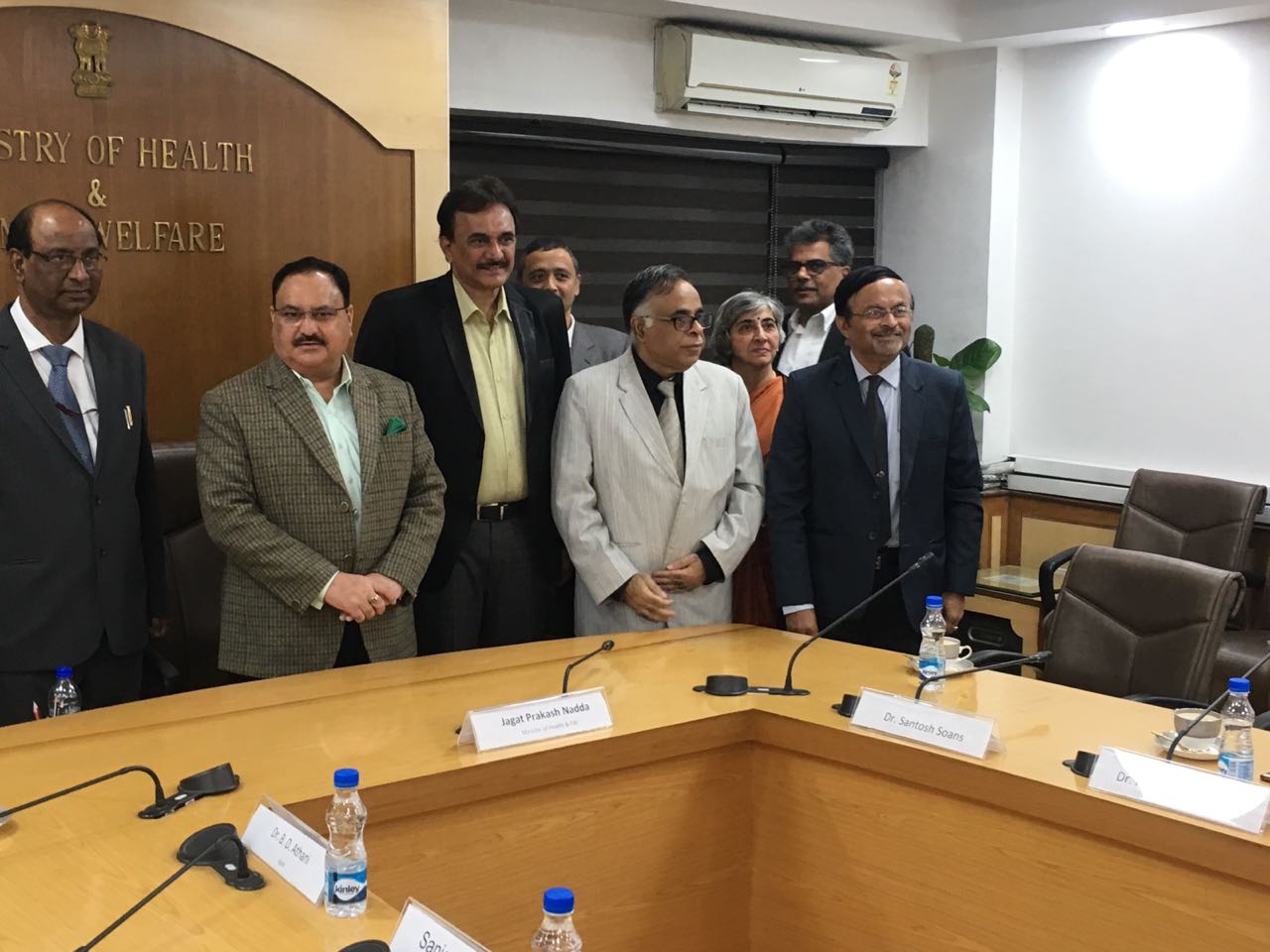
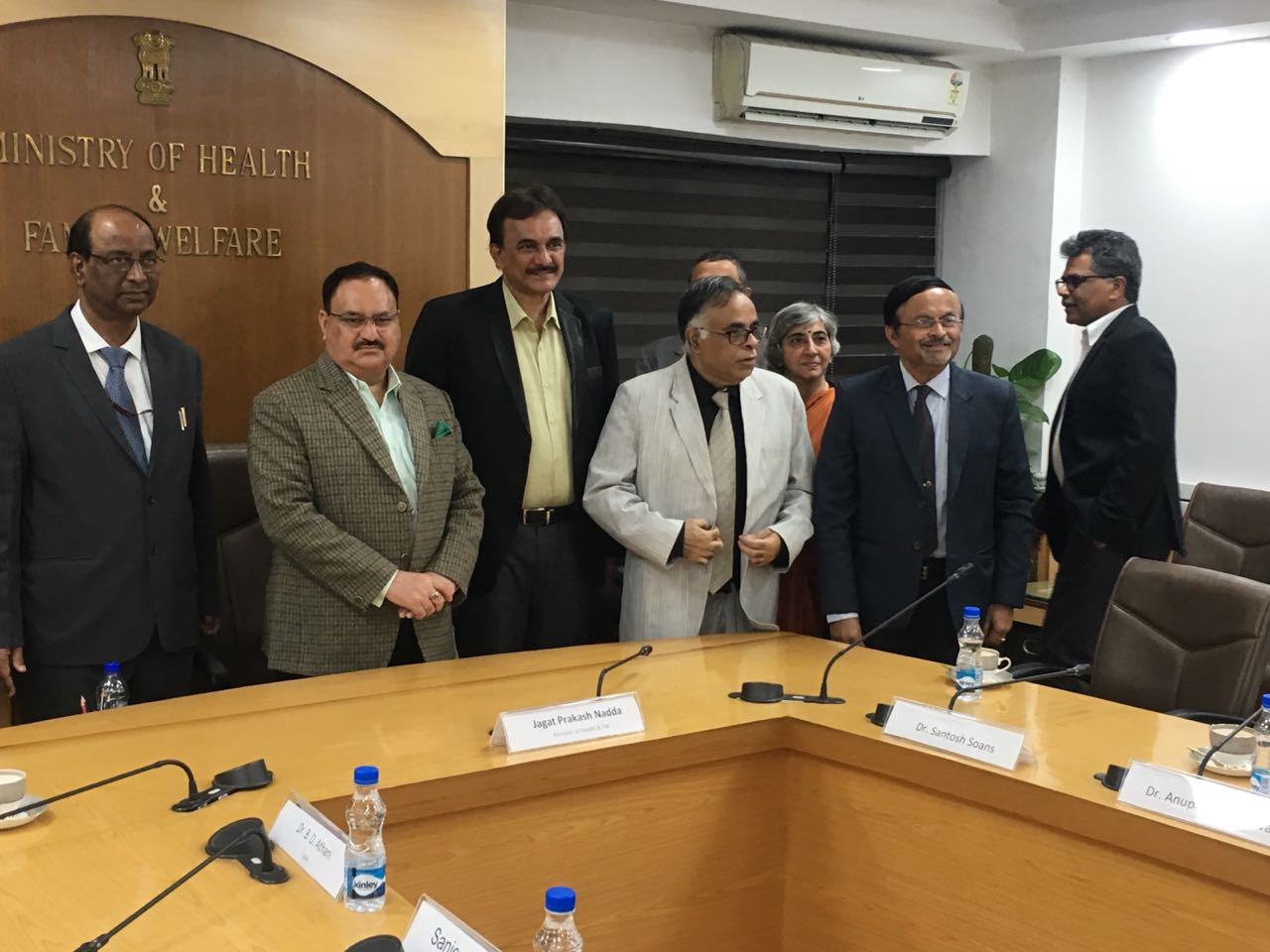
The program was launched in March 2014 at a function in Delhi by Chief Guest Shri C K Mishra, Additional Secretary, Ministry of Health and Family Welfare, Government of India.
IAP-Immunizeindia has achieved it's
objectives and is now closed for new users
IAP Immunizeindia realised its mission by creating a scalable vaccination reminder program template that is now replicated and available from various parties in the public and private sector. Immunizeindia enrolled over 2 million children and has served to save tens of thousands of children from disease, disability or death, by enhancing vaccination compliance rates amongst these 2 million children. IAP has now closed the service for new registrations. IAP Immunizeindia sends free of cost reminders to parents according to the IAPCOI prescribed immunization schedule.
Over 2 Million children under the age of 5 die every year in India* and another 1 Million or more are disabled for life. A major cause is that parents often forget to vaccinate the child on time.
Using the IAP-Immunizeindia service, parents receive timely vaccination reminders for their children.
Vaccination reminder services in several countries have been effective in increasing compliance by 20%. There are over 40 published scientific studies in the Cochrane database that prove the effectiveness of vaccination reminders.
India has 800 million mobile phones which support Text Message Service or SMS (every family has a phone). A well promoted, national, text message reminder service will be the the most cost effective method of reminding parents that a vaccination is due.
The SMS based service which has 2 million
users is now closed for new registrants. Parents can
download the mobile apps from the Android or iOS app
stores and register their children.
Vaccination reminders will be sent for 12 years, following the IAPCOI prescribed immunization schedule.
Reminders do not advertise, recommend or promote any vaccine brands or products.
The IAP-Immunizeindia program was launched nationally by the Joint Secretary of the Ministry of Health. The Joint Secretary has expressed an interest in extending the vaccination reminder program by integrating it with the national birth registry

The IAP-Immunizeindia national pilot was concluded successfully in 2013, with thousands of parents enrolled from every nook and corner of India. The national launch of the program happened in New Delhi, at the auditorium of the Indian Medical Association on 13th March 2014, at the hands of Chief Guest, Mr. C K Mishra, Additional Secretary, Ministry of Health and Family Welfare, Government of India. The program is now a fully functional national service and is the world’s largest vaccination reminder service. IAP-Immunizeindia already saves lives and thousands of reminders are sent every month.